11 must-see birds in Peru for everyone!

by Gunnar Engblom on April 11, 2009

Hi and thanks for the visit. If you're new here you may want to subscribe to my feed.

Why birds?

Birdwatching is a specialized hobby. The birdwatchers aim to see hundreds of birds during a holiday in Peru. However, there are certain birds that transcend to more normal tourists. Some birds that you don't have to be a birdwatcher to appreciate. Those birds that will leave an impact on anyone who lays eyes on them. These kinds of birds become banner species and tourist attractions and could be decisive to turn a non-birder into a birder. They are also important for conserving habitat and supporting local small scale businesses which often give direct revenue to local communities. I hereby present the 11 most important birds in Peru as tourism attractions.

Condor

Andean Condor

Emblematic bird of the Andes. 100.000 people travel yearly to Colca Canyon near Arequipa to see the mighty Condor. Kolibri Expeditions have found a good viable population in Santa Eulalia canyon only 3 hours from Lima, which also is a good place to see this majestic bird. You'd be surprised to learn that most tourists that come Peru, and those that do not visit Colca or Santa Eulalia Canyon, will not see a condor in spite it being such a tremendously important symbol of Peru and the Andes. The closest they will get is hearing "Condor pasa" - the Peruvian song Simon and Garfunkel made world famous. At every little coffee shop to every fine restaurant in Cusco you will hear it played with panpipes and charrango. You cannot avoid it - not escape it!
Strangely enough Peru has yet to raise the awareness of the importance of the species for eco-tourism in other rural areas. As such it may become an important cash cow for communities. This would change the present situation in many places where the species is persecuted and seriously threatened.

Macaw-lick

Blue-and-Yellow Macaw & Scarlet Macaw. Photo: Tim RyanThere are two major macaw-licks in SE Peru where these giant parrots descend on sunny clay river cliffs to ingest the clay with thousands of other parrots. The best one that attracts 5 species of macaws is situated in the Tambopata area near Tambopata Research Center.  There is extremely important Macaw research going on here and you can help as a participant volunteer. See Tambopata Macaw Project. The other important one is downriver from Manu at Blanquillo near in vicinity of several lodges.

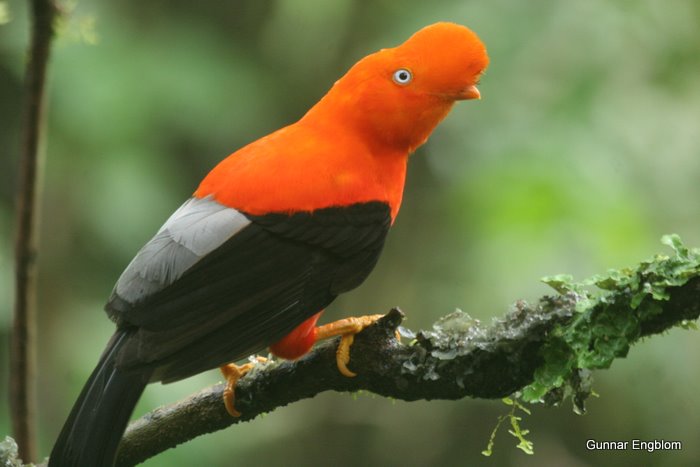
Andean Cock-of-the-Rock

Andean Cock-of-the-RockWow! Exclamation mark is necessary! This surreal member of the Cotinga family has a wide distribution from Venezuela to Bolivia. It is one of the most colorful birds of the Andes. The males gather in "lek" - displays - where the perform ritual dances and make noisy grunts and shrieks. In many places leks have become tourism attractions. The most famous is perhaps next to Cock-of-the-Rock Lodge, but there are several places in Central and Northern Peru where leks also can be seen. Locally, it has become good incentives to conserve forest. Since the cock-of-the-rock is also un-officially national bird of Peru kids all over the country learn to appreciate it. Only five years ago, when traveling in Central Peru inquiring where I could see it, I was directed to the zoo or a man that allegedly had stuffed ones for sale! Things have changed now.

Inca Tern

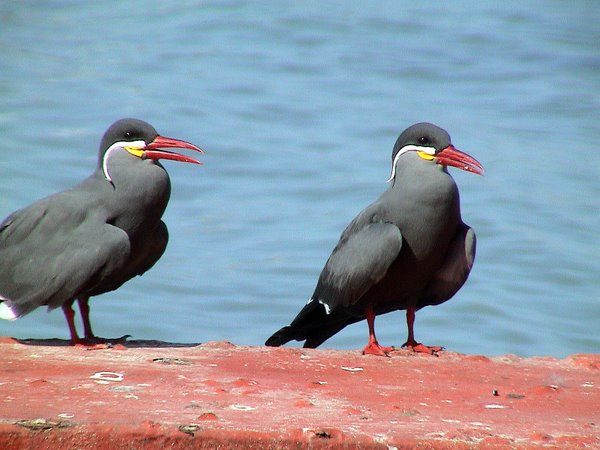
Inca Tern IncaternIts coral red bill and feet, and yellow and white waxy mustache on a slaty blackish body makes the Inca Tern the most beautiful Tern of the world.  This specialty of the Humboldt Current is not difficult to see in large numbers. In many places it can be approached for a photograph.  A spectacular event on the Lima pelagics is when the fish scrap leftover that is used to attract seabirds at the high sea is thrown out after the boat and up to a thousand Inca Terns come in to the stern.

Hummingbird feeders

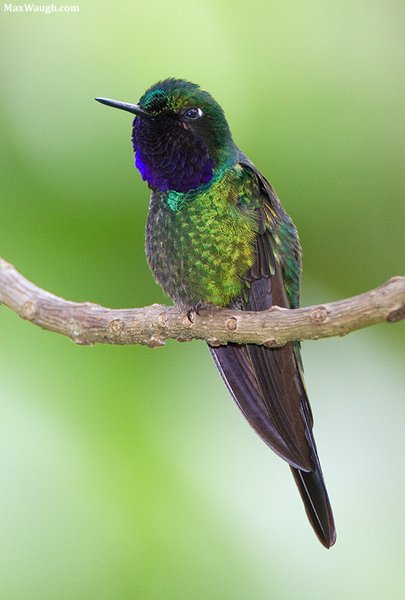
Rufous-crested Coquette. Photo: Alex DuranWire-crested Thorntail

Peru has yet to develop more places with hummingbird feeders, but the ones available are truly spectacular. My favorites are the following.

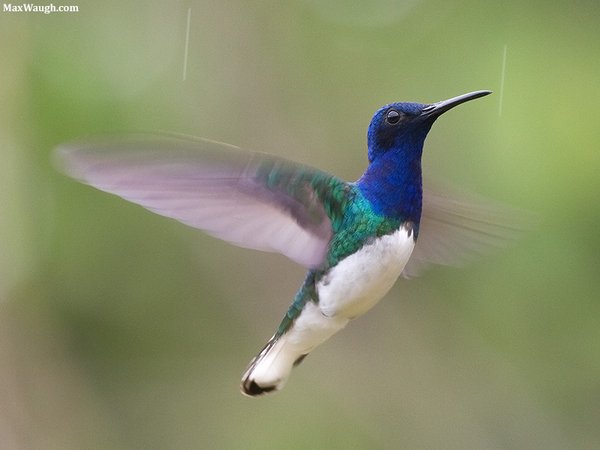
Amazonia Lodge at the bottom of Manu road, with specialties such as the rare Rufous-crested Coquette, Koepcke's Hermit and Gould's Jewelfront and another dozen of more common hummers such as White-necked Jacobin, Blue Emerald, Gray-breasted Sabrewing and Black-eared Fairy come to the garden with feeders and blue vervain in front of the ample porch of the main building..

Machu Picchu Pueblo Hotel the luxurious hotel with precious subtropical gardens decorated with orchids and bromeliads at the foot of Machu Picchu next to Aguas Calientes village. The hotel also have dozens of well maintained hummingbird feeders spread out in the compound open only to its guests. The specialties include Gould's Inca, White-bellied Hummingbird, Long-tailed Sylph, Chestnut-breasted Coronet and Booted Racket-tail.

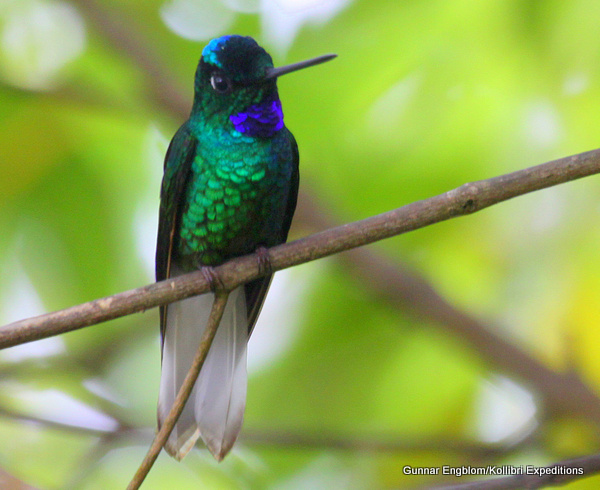
Cock-of the-Rock Lodge on the Manu road, has a open veranda dining room looking out to the garden where tanagers are fed and Blue Vervain and feeders attract the hummingbirds. The specialties include Violet-fronted Brilliant, Many-spotted Hummingbird, Wire-crested Thorn-tail, Booted Racket-tail and many more.

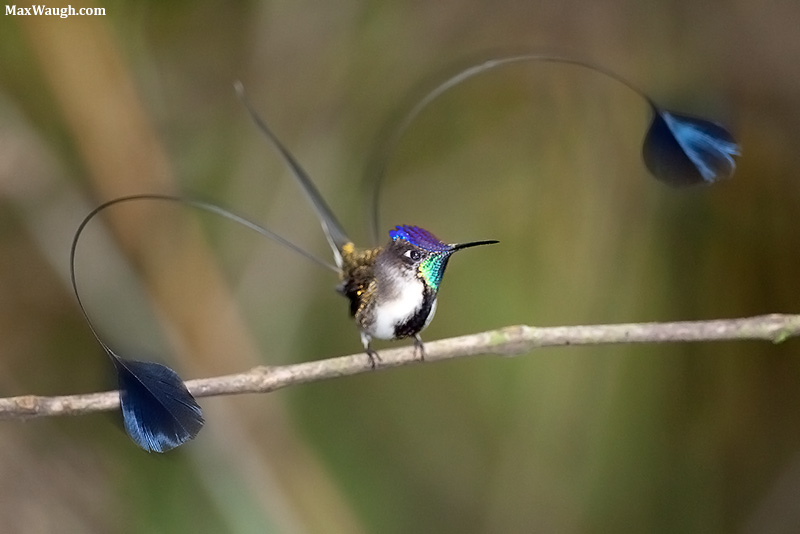
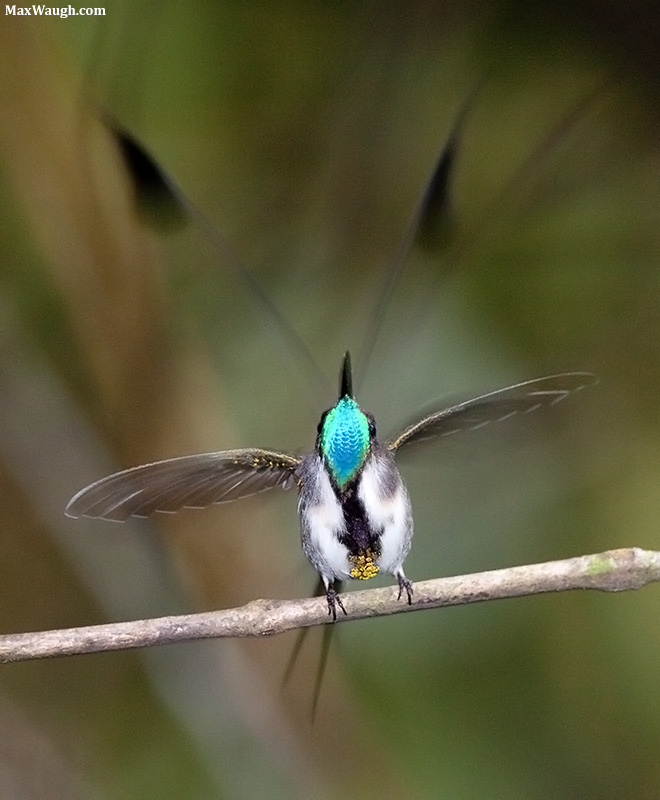
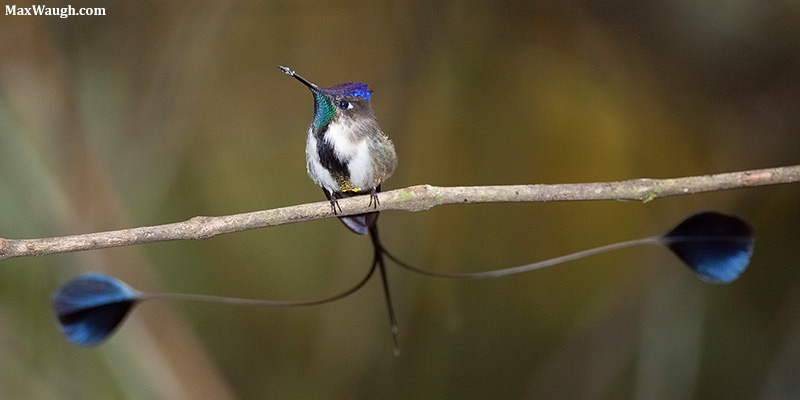
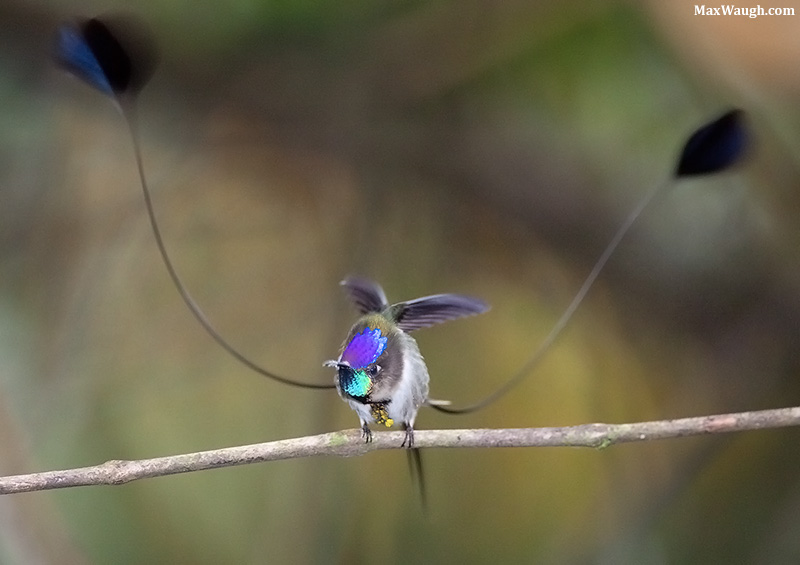
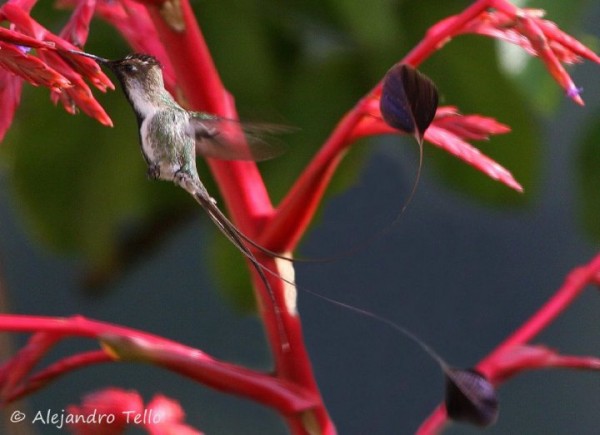
Marvelous Spatuletail


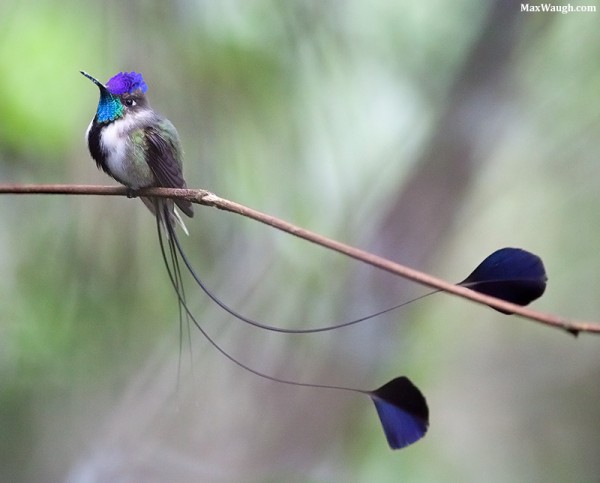
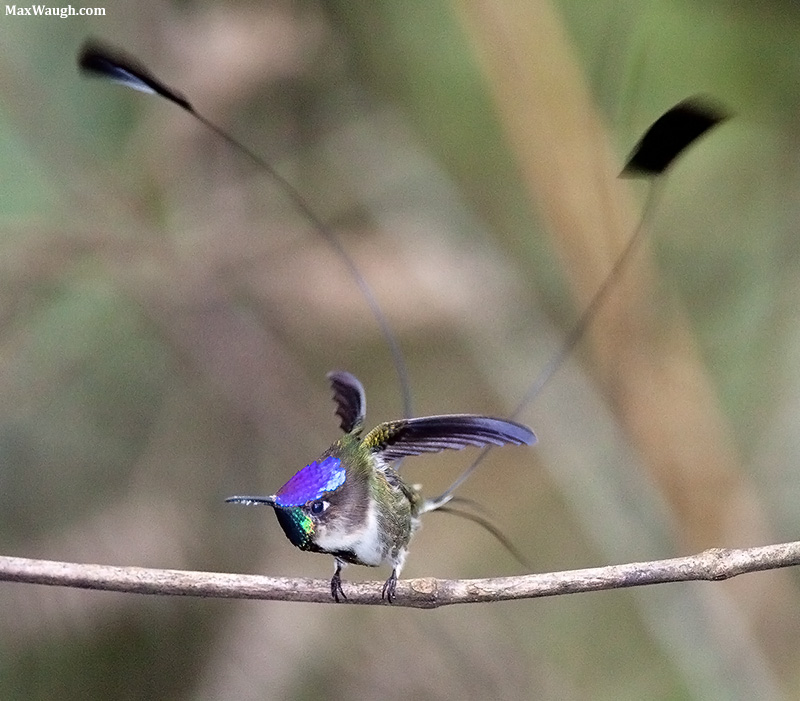
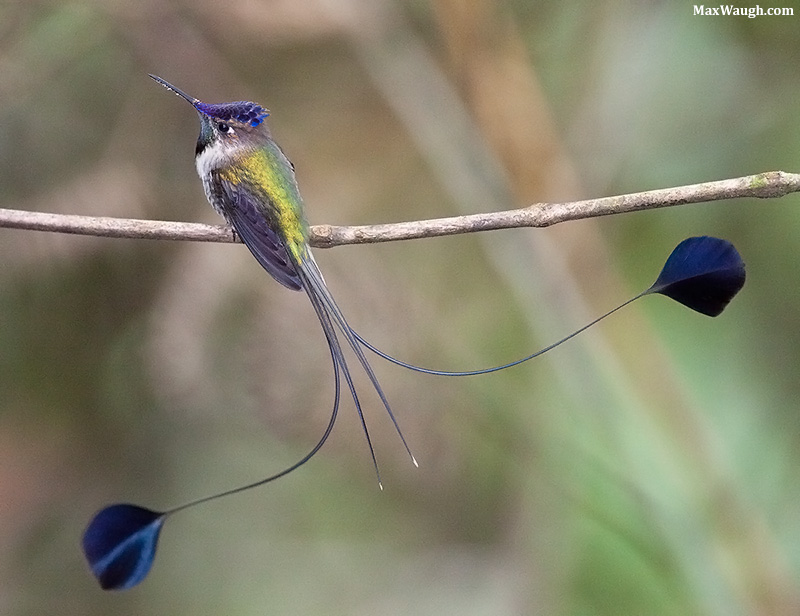
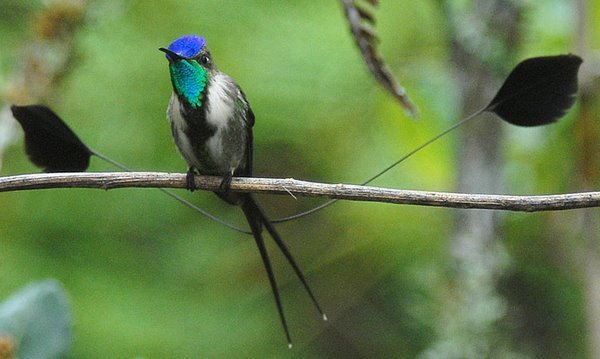
If I should choose just one hummingbird species in Peru this would be the one. It is the most spectacular Hummingbird in Peru. The male has long streamers ending in blue rackets. It may not yet be a large tourist attraction since it occurs only in Amazonas department and a bit off the beaten track for most general tourists coming to Peru, but it is certainly on the birdwatcher's radar on the Northern Birding Circuit and the principle attraction. Kolibri Expeditions has initiated a project here together with local farmer Santos Montenegro obtaining funds through our clients allowing Santos to buy some land from his neighbors. The idea is to turn the small reserve to a Hummingbird information center.

Chilean Flamingo

Chilean Flamingo
Flamingos are big tourist attractions all over the world, and the Chilean Flamingo in Peru is not an exception, especially since legend has that the flamingos San Martin saw in Paracas before leading the liberation from Spain, inspired to the design of the Peruvian flag. There is not a person in Peru, that is not familiar with this story. Unfortunately, many flamingo colonies are well off the beaten track, except that of wintering flamingos still present at the Paracas bay. One may hope however those remote flamingo colonies could be integrated in sustainable tourism packages and this way supply income to local communities at the same time protecting the colonies. The practice common is the past to scare the colony to take flight for a photograph, is fortunately no longer carried out. It seems to me that Peruvian awareness for the well being of the natural attractions has increased in recent years.

Hoatzin.

HoatzinWithout being a particularly rare bird, the Hoatzin inhabits lake sides. It prehistoric looks, similar to the Archaeopteryx and the fact that the young have claws in the wings, make it a tantalizing. The hisses it makes add to its pre-historic image. It occurs in colonies and is mostly not hunted because its meat is smelly and not good. It has constantly bad breath as its digest is completely leaves which are fermented in the crop. Hoatzin can be seen in many places in the Amazon. Most photogenic perhaps at Amazonia Lodge.

Humboldt Penguin

Humboldt PenguinParacas has been the traditional place where many tourists come in contact with the species for the first time while visiting the sea-lion colonies at Ballestas Islands. In recent years however trips have been arranged to sea-lion colony at Islas Palomino from Callao, Lima, where also the Penguins occur and this is a time effective alternative to Paracas. Recent studies show that Humboldt Penguins are very sensitive to disturbance - much more so - than its close relative Magellanic Penguin that occurs in Patagonia and with colonies that attracts tens of thousands of visitors. Fortunately, there are no colonies in Peru that are accessible to tourists to walk around in. The large colony at Punta San Juan near Nazca is closed to the public.

Other places where one can see Humboldt Penguin include Pucusana and the new San Fernando reserve close to Nazca.

Torrent Duck

Torrent Duck. Photo: Alex DuranA highly dimorphic beautiful duck specialized living its life in streaming water and fascinating to watch. One of the best place to see them is at Aguas Calientes below Machu Picchu. In fact, they can often be seen looking out the window from the train to Machu Picchu.

Waved Albatross

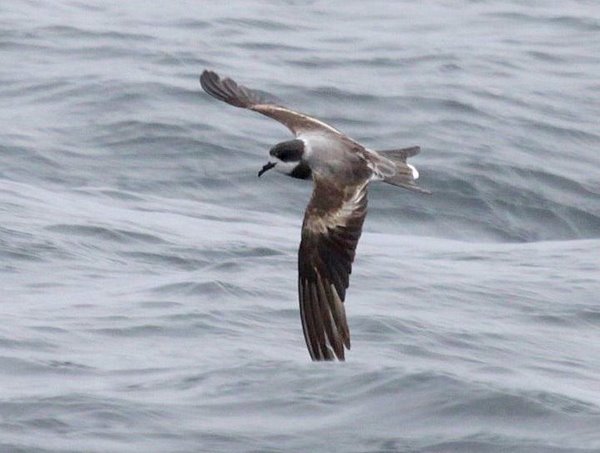
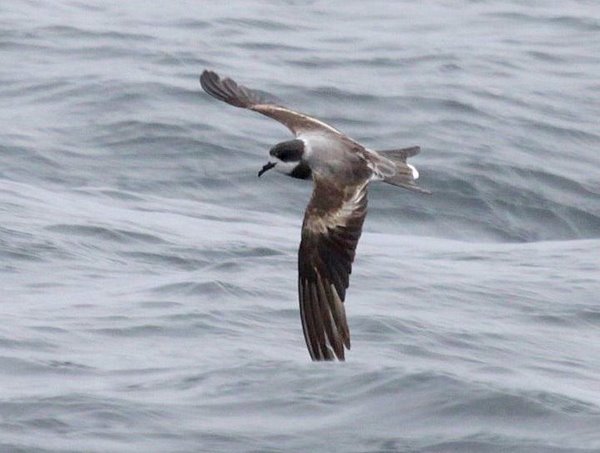
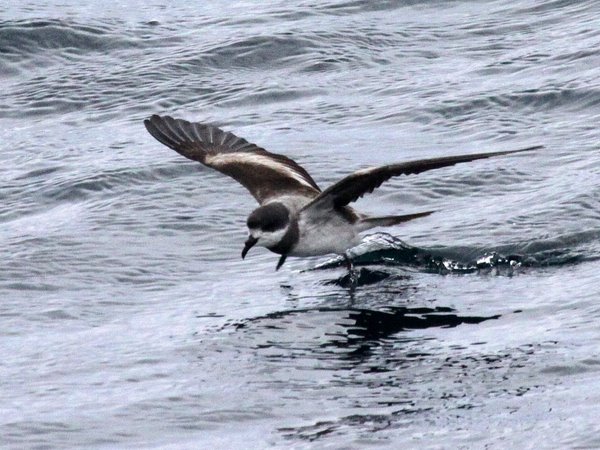
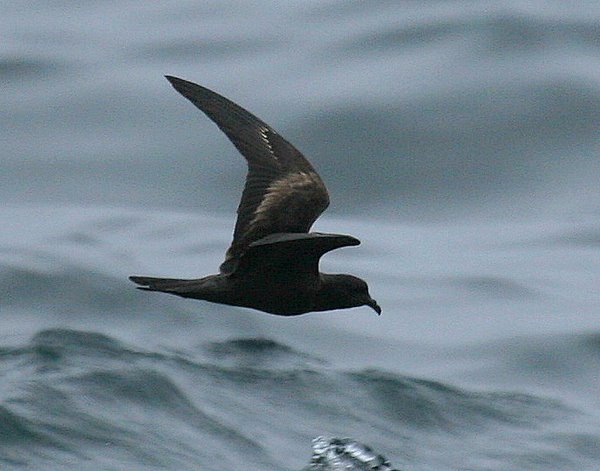
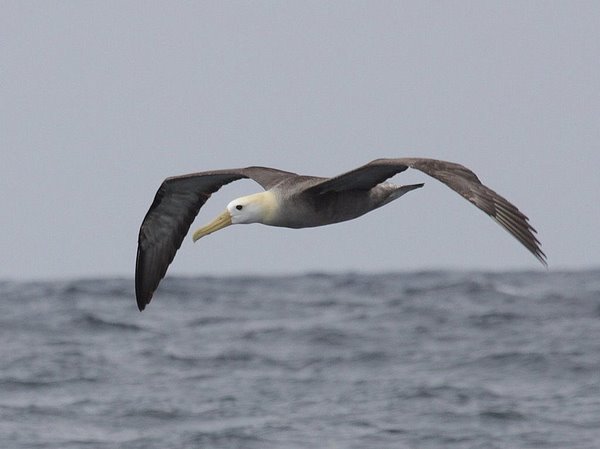
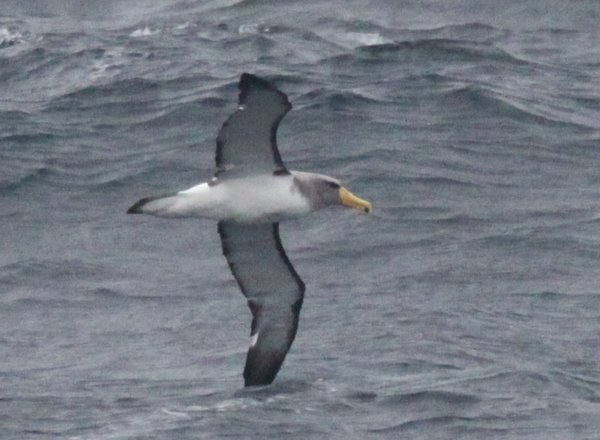
Waved AlbatrossIn spite of being a bird breeding on the Galapagos, practically all individuals of the species will spend considerable time in Peruvian Waters in its lifetime when not breeding. The pelagic birdwatching and whale-watching trips from Lima has made it possible for larger numbers of people to see an albatross at relative ease. Waved Albatross is critically threatened due to high adult mortality in recent years. In spite of being one of the smaller albatrosses, with 2.30m wingspan it is still impressive and a highlight for anyone venturing to sea to see it.

This article was brought to you by Kolibri Expeditions.  Kolibri Expeditions runs tours everywhere in Peru and can take you to all these birds, providing a full-fledged birding holiday or a holiday to culture and nature on a more general level.

Photos by license of creative commons: Ogwen (Condor), Species snob (Chilean Flamingo), Olliethebastard (Hoatzin), and Inca Tern close up by Suneko
Special thanks to Tim Ryan of The faraway, nearby blog, for letting me use his Macaw pictures from Tambopata. All other pictures by Gunnar Engblom and Alex Duran (Rufous-crested Coquette and Torrent Duck). GE´s and AD´s pictures may be used under creative commons license. Link and acknowledge this page. Thanks.
Bookmark and Share

Share with SociBook.com

{ 27 comments }

Hi and thanks for the visit. If you're new here you may want to subscribe to my feed.

Waved Albatross Phoebastria irrorata

Waved Albatross Phoebastria irrorata Pelagic 27 June, 2009

Waved Albatross Phoebastria irrorata Pelagic 27 June, 2009

Waved Albatross is a medium sized Albatross that breeds on Española island in the Galapagos. In recent year the population of adult birds have decreased and this has warrent elevating its threat category to critically threatened according to BirdLife International.

They breed every other year. Practically all individuals pass time in Peruvian waters when not breeding and therefore they can be seen on pelagics from Lima all year around. The time at sea is when they are most vulnerable. There are reports that they are being hunted deliberately in Northern Peru and Southern Ecuador.

I guess we should blame Monthy Python for creating Albatross demand.

Where to see Waved Albatross.

In Peru it is not difficult to see Waved Albatross from the pelagics that Kolibri Expeditions organize from Lima and from Tumbes.  But the most spectacular sighting is to see the display on Española island on the Galapagos. The Waved Albatross is present at the nest sites between late April to November/December. The bill fighting is  best observed early in the season or very late, as the birds re-enforce the bonds between the male and female.

Once in a while Kolibri Expeditions arrange also trips to Galapagos.

Bookmark and Share

Share with SociBook.com

{ 0 comments }

Harpy Eagle – 1000 birds to see before you die. Bird of the day 003

July 1, 2009

Harpy Eagle. Harpia harpyja.
This series continues. Today, we concentrate our attention on a bird in South America. Here  is the Harpy Eagle is the most powerful of Eagles (together with Philippine Eagle. Its talons are the size of a grown man's hand. Check out the power in this video when a Harpy Eagle catches a [...]

0 comments Read the full article →

Fear of Twitter? Do a two week test run!

June 30, 2009

I just checked with my 1500 facebook friends if they are on Twitter or not. I got very few replies. Some that answered said: I hardly have time with Facebook, why should I emerge myself in Twitter. I will go crazy and get nothing done.
Good point. But considering all the good use Twitter can bring, [...]

5 comments Read the full article →

Superb Lyrebird – 1000 birds to see before you die. Bird of the day 002

June 29, 2009

The famous BBC series with David Attenborough has brought forward a number of contestants for the "1000 birds to see before you die" project. I think most of the will qualify when I get the final list out by the end of this week or early next week.
Superb Lyrebird Menura novaehollandiae
The Superb Lyrebird Menura novaehollandiae [...]

0 comments Read the full article →

1000 birds before you die: Bird of the day 0001. Red-capped Manakin

June 28, 2009

Some of you may have heard of my book project "1000 birds to see before you die". If not click the link. In any case, the project is slowly running along. We are still working with the database and the lists to choose the 1000 birds that will be featured in the book.  Some birds [...]

4 comments Read the full article →

I and the bird #102 and #103. Guess who is next?

June 27, 2009

I and the bird #102
Published while I was in Northern Peru birding and consequently I missed doing a proper announcement. Hosted by Amber Coakley at the Birder's Lounge, Amber brings geo-location to the participants of this fortnight's I and the bird. We get a feeling where the participants are. And to know better we click [...]

2 comments Read the full article →

Birds from Northern Peru

June 22, 2009

North Peru birding tour
I am back from one of the best birding routes of the world, packed with endemics and spectacular species. I will have more time to blog now, as I have no birding trips coming up for a while.  This week and next I shall make a series of blogs connected in one [...]

4 comments Read the full article →

What was the point? Peru’s Amazon conflict!

June 19, 2009

Peru's president backs on some of the land controversy.
In the end the president had to back. Some of the rights of the indigenous people in the Peruvian rain forest are restored.
LIMA, June 18 (Reuters) -
Peru's Congress overturned two controversial land laws on Thursday that ignited deadly clashes between police and indigenous protesters in the Amazon [...]

4 comments Read the full article →

Marvelous Spatuletail on a feeder!

June 16, 2009

Marvellous Spatuletail
In the field. Just wanted to share this with you from our North Peru birding and archeology trip. Photo taken at feeders at Leymebamba.

a2a_linkname=parent.document.title; a2a_linkurl=parent.location.href;

3 comments Read the full article →

Marathon analysis

June 9, 2009

In a marathon everyone is a winner.
I have had a long rest this week, both from running and blogging. I've done some birding and I spent a lot of time with the family.
I had started on a blogpost describing the race and meant to finish it earlier. One week later I am concluding this post. [...]

5 comments Read the full article →